
Introduction
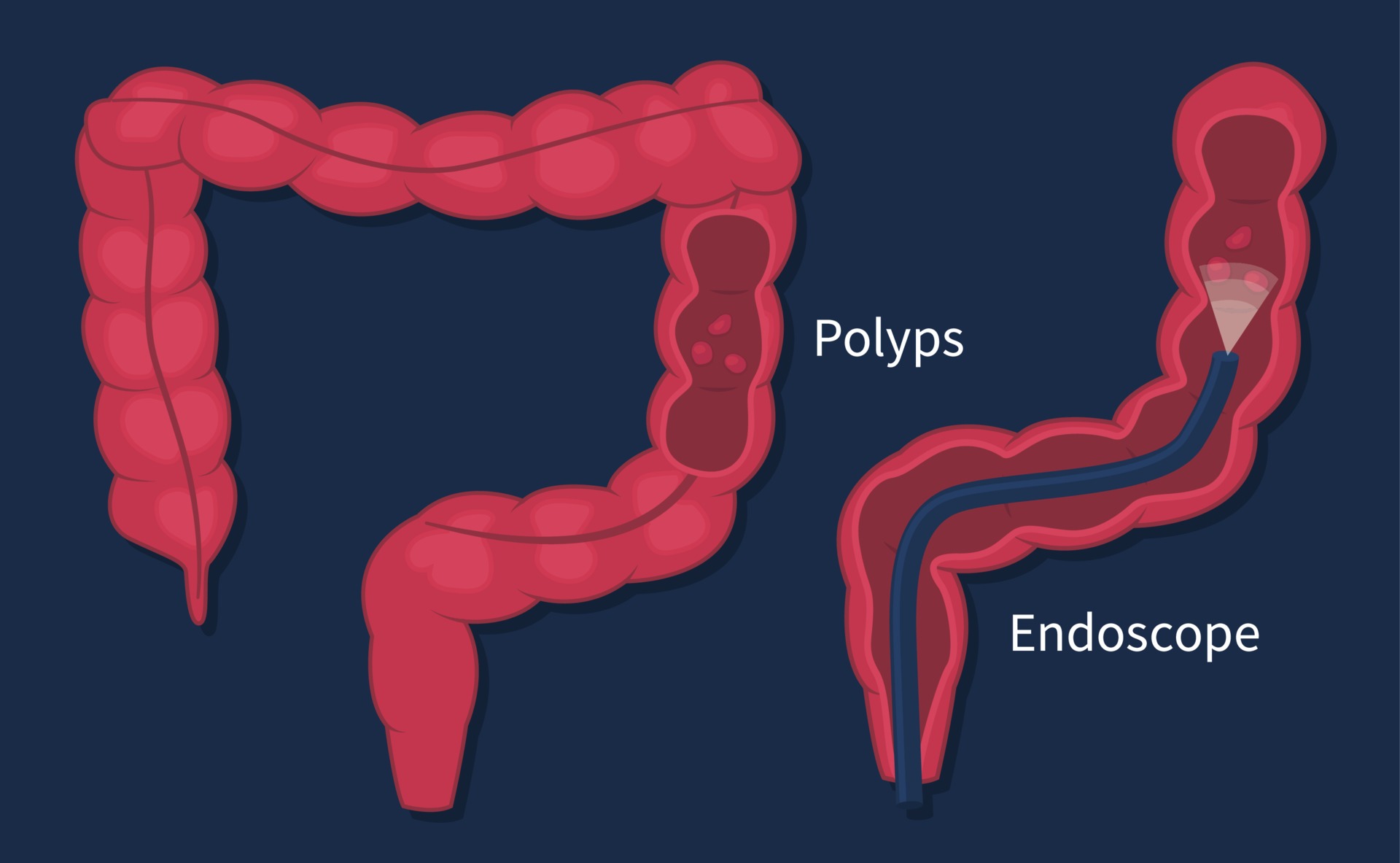
Colon polyps are small growths that develop on the inner lining of the colon. While most polyps are benign, some can develop into cancer over time. Therefore, it is important to detect and remove polyps early to prevent the development of colon cancer. In this article, we will discuss how narrow band imaging (NBI) during colonoscopy can help diagnose different types of colonic polyps and cancers. We will also discuss how artificial intelligence (AI) can improve the accuracy of colon polyps detection.
Diagnosis of Colon Polyps Using Narrow Band Imaging
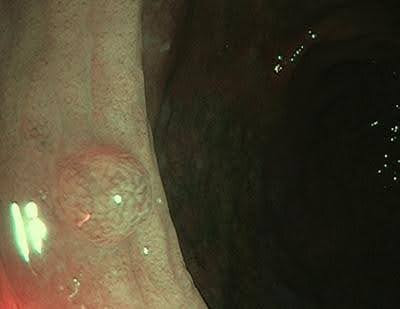
Narrow band imaging (NBI) is a technique that uses a special filter to enhance the contrast between the blood vessels and the surrounding tissue in the colon. This makes it easier to identify abnormal blood vessels that may be indicative of early-stage cancer.
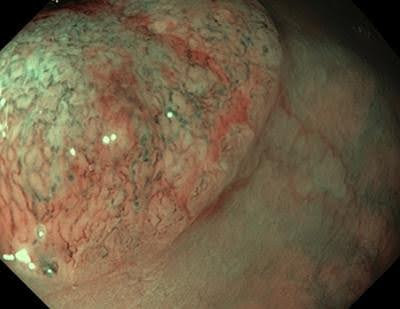
NBI can also help distinguish between different types of colonic polyps based on their pit patterns. Pit patterns are microscopic features of the colon lining that can be visualized using NBI. Different types of polyps have different pit patterns, which can help doctors determine the best course of treatment.
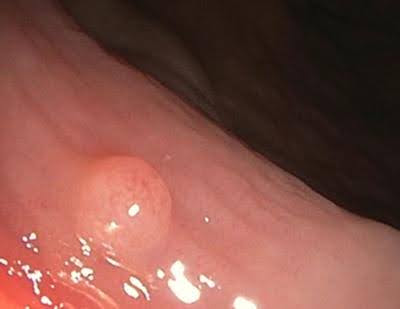
Normal white light view of small colon polyp
NBI view of the same polyp
Pit Patterns on NBI
There are several different pit patterns that can be seen on NBI, including Kudo’s pit pattern classification system. This system classifies pit patterns into three categories: type I, type II, and type III.
Type I pit patterns are characterized by round or oval pits with regular distribution.
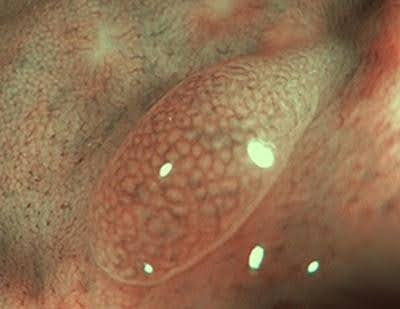
Type II pit patterns are characterized by elongated or tubular pits with irregular distribution.
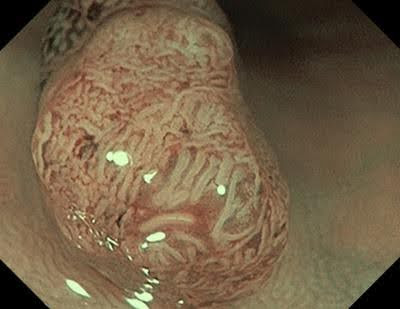
Type III pit patterns are characterized by irregular or distorted pits with an unclear distribution. This type of polyps are more suspicious of early cancer or has highest cancer risk. By analyzing the pit patterns, doctors can determine the type of polyp and the best course of treatment.
Artificial Intelligence and Colon Polyp Diagnosis
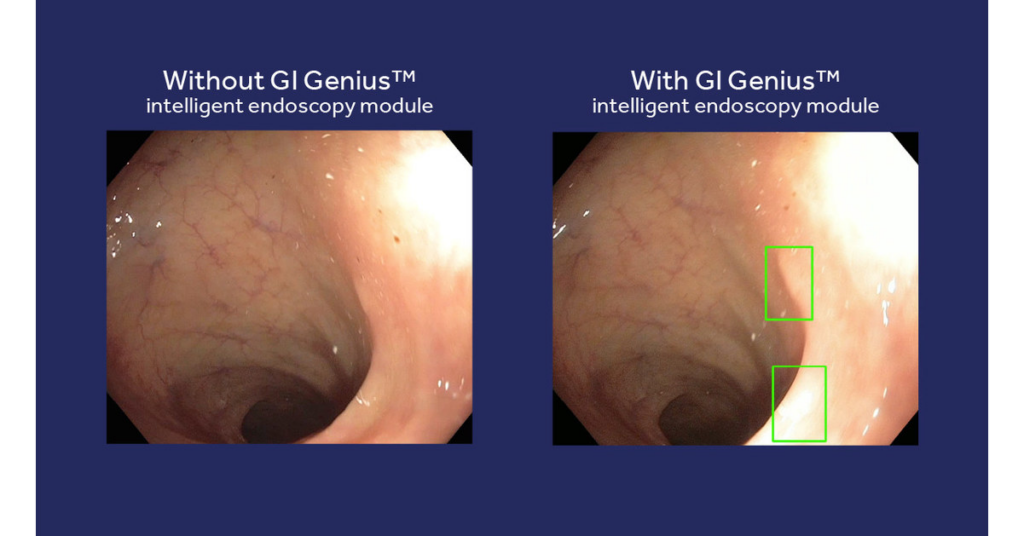
Artificial intelligence (AI) is a rapidly developing field that has the potential to revolutionize the way we diagnose and treat diseases. One area where AI is being used is in the diagnosis of colon polyps. GI Genius is an AI-powered system that uses machine learning to assist clinicians in detecting lesions (such as polyps or suspected tumors) in the colon in real-time during a colonoscopy. GI Genius enhances the detection of polyps during colonoscopy
Types of Colonic Polyps and Cancers
There are several different types of colonic polyps and cancers, including:
- Adenomas: These are the most common type of polyp and are considered precancerous. They can develop into cancer if left untreated over 7-12 years
- Serrated polyps: These polyps are less common but are also considered precancerous. They can develop into cancer if left untreated much quicker than adenomas
- Hyperplastic polyps: These polyps are usually benign and do not develop into cancer.
- Colorectal cancer: This is a cancer that develops in the colon or rectum. It is the third most common cancer in the world and is a leading cause of cancer-related deaths.
Diagnosis of Colonic Polyps and Cancers
Diagnosis of colonic polyps and cancers is typically done using colonoscopy. During a colonoscopy, a long, flexible tube with a camera on the end is inserted into the rectum and guided through the colon. NBI is used to enhance the visualization of the colon lining and pit patterns. By analyzing the pit patterns, doctors can accurately diagnose different types of colonic polyps and cancers. The accuracy of the detection of polyps can be improved by using AI and analysing the polyp using special imaging like NBI. By removing colon polyps, there is reduced risk of colon cancer and mortality by 40-60%. If colon polyps are ignored or remain undetected, these have the potential to transform into cancer over the next 7 to 12 years.